
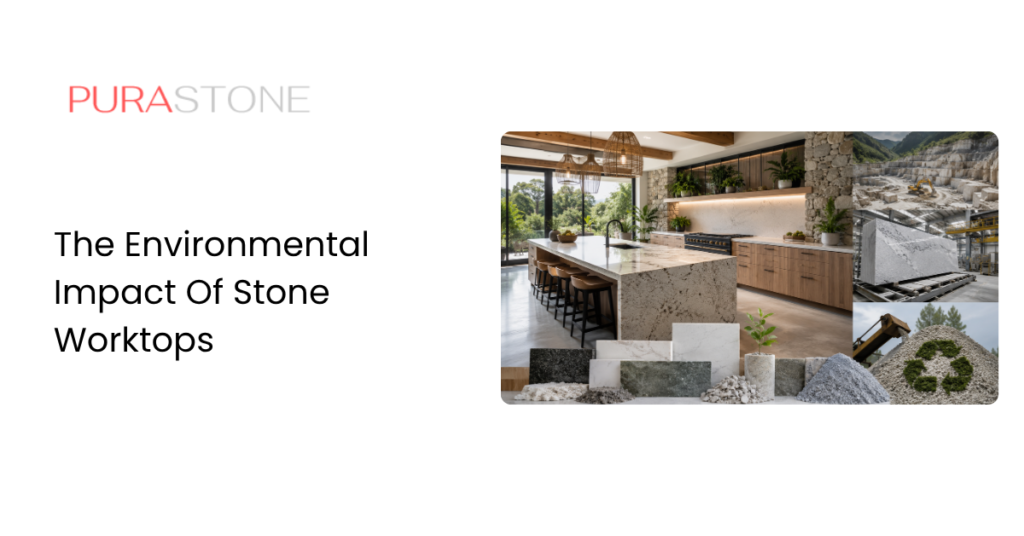
Stone worktops are often chosen for their durability and premium look, but behind their polished surface lies a production process that can have a real environmental footprint. If you are planning a kitchen upgrade, it is worth understanding how different materials affect the environment before making a decision.
Here Are 5 Essential Facts You Must Know About Stone Worktops!
1) Quarrying Granite Has A Direct Environmental Cost
Natural stone, such as granite, is extracted from large quarries, which involve heavy machinery, blasting, and the transportation of massive stone blocks. This process consumes fuel and disturbs natural landscapes. Even though Granite worktops in Surrey are valued for their strength and longevity, the initial extraction stage contributes significantly to energy use and land disturbance. Responsible quarrying practices can reduce impact, but they cannot eliminate it.
2) Carbon Footprint Varies By Transportation Distance
Stone is extremely heavy, which means transport plays a big role in its environmental footprint. Importing stone from overseas increases emissions compared to sourcing locally. That’s why sustainable granite worktops carbon footprint depends not only on quarrying methods but also on how far the material travels before installation. Choosing locally supplied stone within the UK can reduce fuel consumption and overall environmental impact.
3) Quartz Production Requires High Energy Processing
Unlike natural stone, quartz worktops are engineered using crushed quartz mixed with resins and pigments. This manufacturing process requires high heat, industrial binding agents, and controlled factory environments. The quartz manufacturing environmental impact is therefore tied to both energy consumption and chemical use. While quartz can be consistent and low-maintenance, its production is more industrial compared to natural stone extraction.
4) Recycled Stone Options Are Becoming More Available
Sustainability-focused buyers are now exploring surfaces made from reclaimed or recycled materials. Some manufacturers use leftover stone fragments, glass, or porcelain to create new surfaces with reduced raw material demand. These recycled stone worktop options for UK homeowners help lower landfill waste and reduce the need for fresh quarry extraction. Although availability is still limited compared to standard granite or quartz, this segment is steadily growing.
5) Lifespan & Durability Also Affect Environmental Impact
One often-overlooked factor is how long a worktop lasts. Stone surfaces like granite and quartz are extremely durable and can last for decades without replacement. This longevity reduces the need for frequent renovations, which indirectly lowers environmental impact over time. Even if the initial production footprint is high, long-term use helps balance overall sustainability when compared to shorter-life materials.
Final Words
Stone worktops combine beauty with strength, but they also come with environmental considerations that buyers should not ignore! From quarrying and manufacturing to transport and recycling options, every stage adds to the overall impact. Making informed choices such as selecting locally sourced Granite worktops in Surrey or exploring recycled alternatives can help reduce environmental pressure while still achieving a high-quality kitchen finish. However, looking for stone worktops? Visit Pura Stone right now!
